
In an era where every business decision should be supported by data and effective use of resources, financial management, business no longer is the work of accounting that becomes a survival skill of any business. This is the key to help enterprises to operate smoothly, scale, investment in the right time, good tolerance before the market volatility.
Many businesses today are still operating based on “emotional financial” – i.e., spend, invest or expand based on intuition instead of being driven by the numbers. As a result, when cash flow becomes deficiency, cost overruns control or the ratio of debt to increase height without timely detection and businesses fall into the status of “fire air” without treatment.
This article Lac Viet will help the organizations and enterprises are in the stage of starting, growing or restructuring can view more systematic about:
- Financial management what is and why do we have to post-deployment version?
- What elements constitute a system of financial management effective?
- The practical skills that managers need to have.
- Applying technology in improving the financial performance of the business.
1. Financial management what is a business?
Quản lý tài chính doanh nghiệp (hay quản trị tài chính doanh nghiệp) là quá trình lập kế hoạch, tổ chức, kiểm soát và giám sát việc sử dụng các nguồn lực tài chính của doanh nghiệp nhằm đảm bảo sự ổn định, hiệu quả, tăng trưởng bền vững. Nói đơn giản, đây là cách doanh nghiệp trả lời được các câu hỏi:
- We are how much money?
- The money is going where to do what?
- Need to do to optimize cash flow, enhancing the efficient use of capital?
Difference between financial management and accounting
A common mistake is for that accounting is financial management. Fact, these two concepts are related but different in essence:
- Accounting is recorded, reported the financial – economic happened.
- Financial management is the act of management, cash flow, analysis, effective decisions based on accounting data.
Ví dụ minh họa: Kế toán có thể báo cáo doanh thu tháng 3 là 5 tỷ, chi phí là 4 tỷ. Nhưng quản lý tài chính sẽ đặt câu hỏi: “Vì sao lợi nhuận vẫn thấp? Khách hàng trả tiền đúng hạn chưa? Có nên đầu tư thêm để tăng công suất không?”

1.1 Nội dung chính của quản lý tài chính doanh nghiệp
Theo cách tiếp cận của Brigham và Houston (2003), được nhắc lại trong một nghiên cứu đăng trên Tạp chí Kinh tế – Tài chính ngày 30/9/2026, quản trị tài chính bao gồm ba nhóm quyết định nhằm tối đa hóa giá trị doanh nghiệp: đầu tư, huy động vốn và quản lý tài sản. Ba nhóm quyết định này là khung để nhìn các nội dung quản lý tài chính ở những phần sau của bài.
- Quyết định đầu tư: chọn dự án, tài sản hoặc thị trường cần bỏ vốn, dựa trên hiệu quả đầu tư và thời gian thu hồi vốn.
- Quyết định huy động vốn: cân nhắc giữa vốn chủ sở hữu và vốn vay, cùng chi phí phải trả cho từng nguồn.
- Quyết định quản lý tài sản: sử dụng hiệu quả tiền mặt, hàng tồn kho, công nợ phải thu và tài sản cố định.
Cũng theo nghiên cứu này, hiệu quả quản trị tài chính của doanh nghiệp gắn với các năng lực như lập kế hoạch tài chính, quản trị dòng tiền, quản lý vốn lưu động, hệ thống thông tin tài chính và phân tích tài chính. Nói cách khác, quản lý tài chính không dừng ở việc ghi chép thu chi: doanh nghiệp cần lập kế hoạch, theo dõi dòng tiền thực tế, kiểm soát vốn lưu động và có số liệu kịp thời để phân tích. Ở các mục tiếp theo, bài viết đi vào từng nội dung này theo quy mô doanh nghiệp, kỹ năng của nhà quản lý, những sai lầm thường gặp và vai trò của công nghệ.
2. Financial management business efficiency by scale
2.1 financial Management in small business and startups
Đặc điểm giai đoạn: Ở giai đoạn khởi nghiệp hoặc doanh nghiệp còn nhỏ, doanh thu thường chưa ổn định, thị trường còn đang thử nghiệm, trong khi chi phí đầu tư ban đầu (marketing, nhân sự, công nghệ…) lại phát sinh liên tục. Vì vậy, bài toán lớn nhất là kiểm soát chi tiêu thật chặt chẽ, đảm bảo dòng tiền không bị âm.
Common problems:
- No forecast is the time of lack of money.
- Not to closely monitor debt to income leads to “hug the public debt”.
- Costs incurred in addition to the plan (run ads, repairs, hire out) is not recorded in a timely manner.
- Borrowed personal confusion between personal financial business.
Target financial management at this stage:
- Set báo cáo dòng tiền thu chi theo tuần/tháng: biết được tháng nào thu nhiều, tháng nào cần chuẩn bị chi.
- Xác định điểm hòa vốn: giúp biết được từ mức doanh thu nào thì bắt đầu có lãi.
- Optimal public debt: specified payment term with customers, monitoring.
- Ưu tiên vốn chủ sở hữu hoặc nguồn vốn không phát sinh lãi vay như vay người thân không lãi suất, hoặc gọi vốn từ nhà đầu tư thiên thần (đổi lại cổ phần) để tránh áp lực trả lãi ngay từ đầu.
Practical solution:
- Dùng mẫu Excel dòng tiền có sẵn hoặc phần mềm kế toán quản trị đơn giản để theo dõi thu – chi từng ngày.
- Use the detailed budget, list each expense by month and set limits for each category.
- Set general report on public debt customers, suppliers, periodically updated weekly.
- Applied software AccNet or the free tool has the ability to create automated reports simple.

2.2 financial Management at the stage of scaling
Characteristics, phase: Business had revenue stability, starting extension personnel, open more branches or develop more new products. However, the complexity also increase: the cost of higher operating pressure control efficiency greater investment.
New financial challenges arise:
- 't understand operational costs each department → 't know which parts are underperforming.
- Cash flow unevenly between the units → where excess money, where lack of money.
- Investment decisions extensions not based on the rate of payback or asset efficiency.
Target financial management at this stage:
- Set budget in units, departments, or projects.
- Calculate and analyze the ratio of the cost on revenue, determine the “point of congestion finance”.
- Measuring investment performance according to metrics: ROI, Payback period, IRR, if possible.
- Kiểm soát hàng tồn kho, khấu hao tài sản cố định, tránh lãng phí.
Ví dụ minh họa: Một công ty nội thất mở rộng từ TP.HCM sang Bình Dương và Đồng Nai. Nếu không phân tích chi phí vận chuyển, nhân sự, mặt bằng tại từng khu vực, doanh nghiệp sẽ gặp tình trạng: tổng doanh thu tăng nhưng lợi nhuận lại giảm do chi phí mở rộng vượt ngoài kiểm soát.
Proposed solution:
- Using software, financial management, capable of tracking branch, according to the project as AccNet ERP.
- System settings report, budget – real periodically to compare, adjust.
- Apply KPIs finance for each department, help leaders gave a quick, effective decisions timely adjustment.
2.3 financial Management for big business and corporations
Characteristics, phase: Business step into the adult stage, may have had many subsidiaries, product lines, operate in many different markets. Raising capital, working with shareholders, investors, or preparation of the IPO requires standardized whole system of financial management.
Main challenge:
- Financial data dispersed, difficult to synthesize in real-time.
- Analysis report merger between parent company and subsidiaries complex.
- The risk of financial risks due to higher loan debt, market volatility, exchange rates, legal, tax...
Target financial management at this stage:
- Standardized reporting system, financial consolidation, according to the standard VAS, towards IFRS if plans call international capital.
- Maintain financial indicators safety: as the ratio of debt/equity, liquidity ratios short-term profitability on the capital.
- Optimal capital structure to reduce the cost of using capital.
- System settings control the financial risks.
Technology solutions:
- Application hệ thống quản lý doanh nghiệp ERP tích hợp đầy đủ kế toán – tài chính – ngân sách – hợp nhất, như AccNet ERP phiên bản tổng công ty.
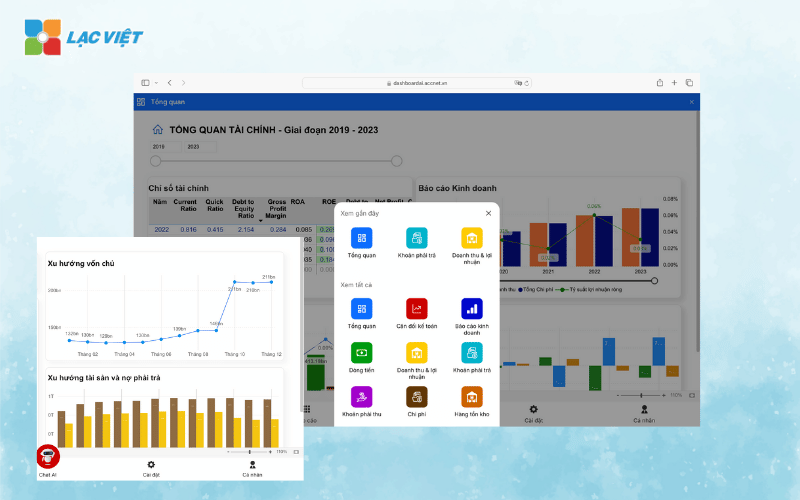
- Deployment LV Financial AI Agent to automatic synthesis report according to each unit region. Analysis financial spread in real time. Hint allocation plans, cash flow efficiently between the member companies.
Benefit received:
- Leadership has panoramic financial in real time, not waiting for the end of the month/quarter.
- Investment decisions, restructuring or call capital more easily because there is data that supports transparency.
- Increase in enterprise value in the eyes of investors, the credit institution.
3. Skills needed to manage business finances efficiently
Quản lý tài chính không chỉ là công việc của phòng kế toán. Trong một doanh nghiệp hiện đại, mọi lãnh đạo – từ giám đốc điều hành (CEO), giám đốc tài chính (CFO) đến trưởng phòng ban – đều cần trang bị những kỹ năng tài chính thiết yếu. Bởi lẽ, mọi quyết định chiến lược đều liên quan trực tiếp hoặc gián tiếp đến tiền: đầu tư, mở rộng, cắt giảm, tuyển dụng hay thậm chí là dừng một dự án.
Below are the core skills that help managers actively operating financial performance, not passive in situations of risk.
3.1 thinking, strategic financial
Thinking financial strategy is the ability to see finance as a part of business strategy, business need anything from this thinking?
- Analyze financial trends over time: cost, revenue, profit, rate of return.
- Connect financial goals with business plan: for example, want to grow by 20%, then need how much investment, expectations of cash flow and how.
- Know, “selective risk” instead of dodging the risk.
Ví dụ minh họa: Một doanh nghiệp thương mại điện tử tăng trưởng mạnh, nhưng sau 6 tháng, lợi nhuận vẫn âm. Người điều hành có tư duy tài chính chiến lược sẽ không chỉ tập trung vào doanh số, mà phân tích cấu trúc chi phí marketing, vòng quay hàng tồn, hiệu suất đơn hàng để đưa ra quyết định tối ưu vốn đầu tư.
3.2 planning Skills and financial forecast
No financial planning i.e. are operated business “blind”. This is the skills to help business proactive instead of reactive is automatically upon the occurrence of crisis.
Consists of 2 main contents:
- Financial planning: including the budget revenue – costs, capital planning, cash flow.
- Financial forecasting: Forecast fluctuations in cost, cash flow, profitability under different scenarios (optimistic, base, caution).
Simple tool to apply:
- Table budget in Excel by month/quarter
- Sample cash flow forecast for simple week by week
- Software support such as AccNet ERP helps to automatically synthesize, compare plans – practical
Practical value:
- Help the business know when need to adjust the plan, avoid the deficit cash flow.
- Limit depends on the borrowed folding or investment at the wrong time.
3.3 reading Skills to understand and analyze financial statements
Ngay cả khi không có chuyên môn kế toán, người điều hành cũng cần hiểu được các chỉ số tài chính cơ bản để ra quyết định đúng.
Skills required:
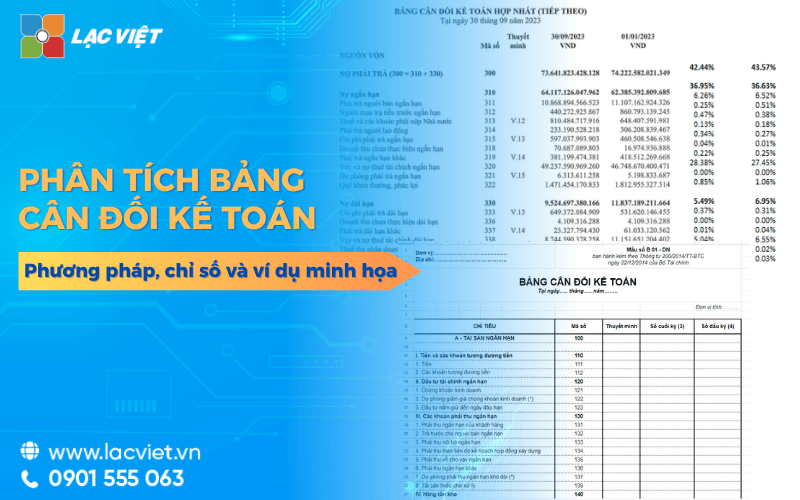
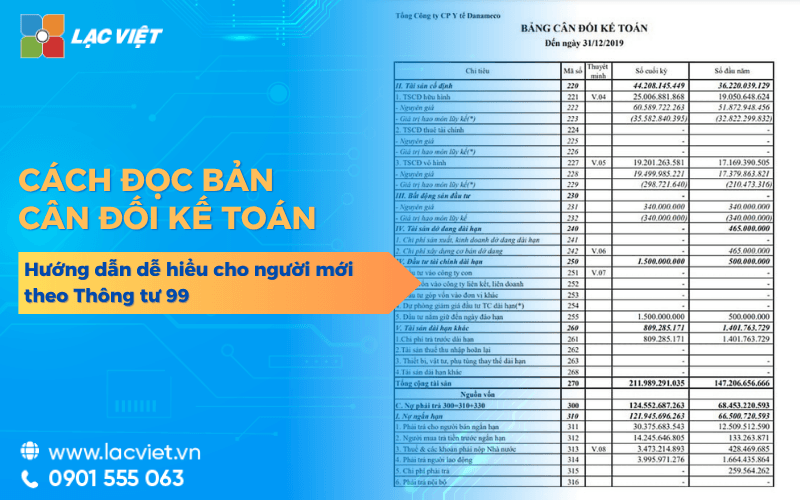
- Đọc bảng cân đối kế toán: Biết được doanh nghiệp đang “nặng nợ” hay “vững mạnh”.
- Understand reports business results: cost analysis which accounts for a large proportion? Net profit come from?
- Đọc báo cáo lưu chuyển tiền tệ: Có lãi nhưng có đang thiếu tiền không?
Support for non-professionals:
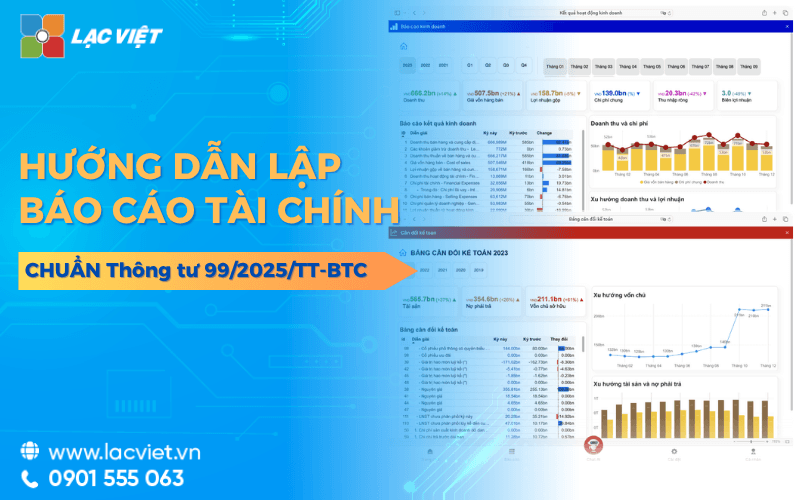
- The financial software such as LV Financial AI Agent has the ability to “translate the language of accounting” to report concise, easy to understand.
- Sample financial chart illustrates clearly the trend of increase or decrease over time.
Values bring:
- Moderator decisions not just by “intuition” which by the financial data specific.
- Increase effective coordination between the finance department, other parts.
3.4 Skills, risk control and financial decisions
Every business can meet fluctuations: drop in revenue, the cost increases abruptly, customers delay payments. This skill helps to reduce the impact of risks, maintaining financial stability.
Includes:
- Identify financial risks: debt, bad, negative cash flow, loan exceeding the limit...
- Risk analysis by the model or indicator (as of current payment).
- Make decisions based on data: should continue to invest, cut, or re-structure?
Typical example: In outbreak COVID-19, many businesses are forced to choose: pay cuts, suspend projects, or search for capital relief. The business has control skills good risk has prepared contingency fund or scheme of financial flexibility from ago – thanks to that survive, recover faster.
In summary, equipped with the financial skills not only dedicated to the accounting department or CFO, that element is mandatory if the business want to active growth, sustainable. In the digital era, the combination of people skills, tools, financial technology will be the “shield” and the “launchers” to help businesses go further.
4. Common mistakes in financial management in business English
Though aware of the role of finance in business activities, many businesses in Vietnam – especially small and medium enterprises – are still mistakes repeated in financial management. These errors are usually not appear immediately on reporting business results, but will silently build up, seriously affecting the ability to survive, grow in the long term.

4.1. Teen tracking and forecasting cash flow
Many businesses only focus on revenue – profit that missed the track line actual money. Meanwhile, cash flow is the “lifeblood” commissioning business every day.
Ví dụ minh họa: Một công ty xây dựng nhận nhiều hợp đồng lớn, ghi nhận doanh thu hàng chục tỷ. Tuy nhiên, vì khách hàng trả chậm còn chi phí vật tư phải ứng trước, doanh nghiệp không xoay xở được dòng tiền, buộc phải vay nóng, dẫn đến tăng lãi vay, mất khả năng chi trả.
Consequences: Lack of liquidity, loss of reputation with suppliers, slow wage employees, even loss of ability to pay short-term.
4.2. Investment decisions according to the sense
No little business to expand the market, the investment line, or hire more staff just because “feel the need”, which is not based on financial analysis specific.
Ví dụ minh họa: Một chuỗi cửa hàng bán lẻ mở rộng ồ ạt sang tỉnh khác mà chưa đánh giá chi phí vận hành, sức mua hay thời gian hoàn vốn. Kết quả, sau 6 tháng, phải đóng cửa 2/3 chi nhánh mới do lỗ kéo dài.
Value drawn: Every investment decision should be based on data analysis clear: performance, profitability, payback period, possibility of growth, affect current cash flow.
4.3. 't control indirect costs
Indirect costs such as electricity, water, marketing, management, administrative... if not carefully controlled, can account for a large proportion in the total cost that the business doesn't get out.
Common practice: Many companies do not have table cost analysis details under each category or each division, make the cut when the need becomes difficult.
Giải pháp: Thiết lập hệ thống ngân sách theo từng phòng ban, phân quyền phê duyệt chi tiêu, định kỳ rà soát, so sánh giữa ngân sách và chi tiêu thực tế.
4.4. Depending on the individual instead of building system
The financial management depends on an individual – usually the chief accountant or business owner – is a common condition. When this person vacation or move the entire financial system disorders or stagnation.
Consequences: Loss of data, interruption of cash flow, there's no report in a timely manner when needed loans, bid or make decisions.
Solution: Businesses need to move from “managing in the” to “managed by system”, applied software to standardize data and processes.
5. Application of technology to improve efficiency, financial management
In the context of business need to operate fast – flexible – exactly, the application of technology is no longer a competitive advantage, which is the minimum conditions to financial management, transparency, efficiency, accurate decisions.
5.1. Use accounting software – financial professional use
The phần mềm quản lý tài chính doanh nghiệp như AccNet ERP giúp doanh nghiệp:
- Ghi nhận mọi nghiệp vụ tài chính chính xác, đầy đủ, đúng chế độ kế toán hiện hành: Circular 99/2025/TT-BTC (ban hành ngày 27/10/2025, áp dụng cho kỳ kế toán năm bắt đầu từ ngày 1/1/2026, thay thế Thông tư 200/2014/TT-BTC) hoặc Thông tư 133/2016/TT-BTC đối với doanh nghiệp nhỏ và vừa.
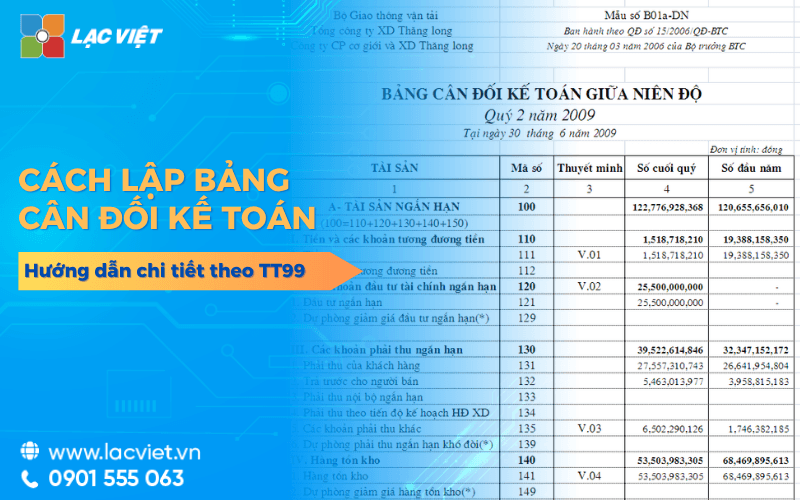
- Tự động tổng hợp báo cáo tài chính, bảng cân đối kế toán mẫu, báo cáo lưu chuyển tiền tệ…
- Tracking cash flow in real time, give a warning when there is unusual fluctuations.
Practical benefits: Reduced dependence on personnel, improve accuracy, save time processing of data.
5.2. Integrated artificial intelligence with LV Financial AI Agent
Công cụ LV Financial AI Agent là giải pháp tài chính hiện đại, ứng dụng AI in finance để giúp doanh nghiệp:
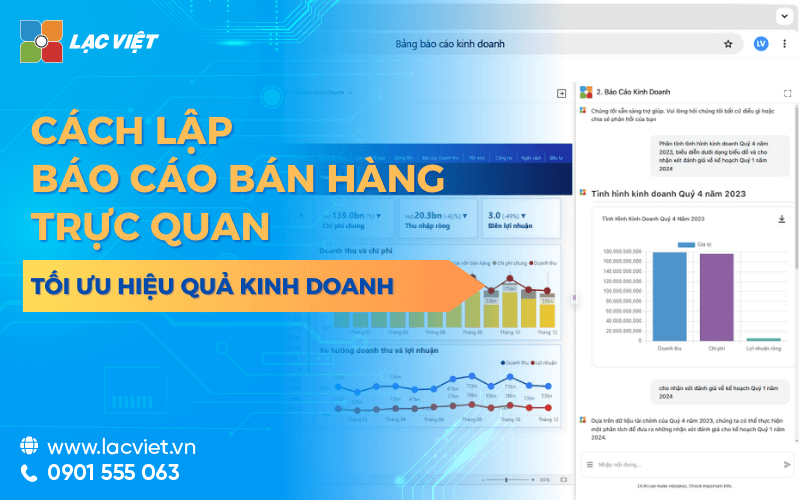
- Analyze financial data automatically: Handle thousands of lines of data, displayed in chart form – index visually.
- Warning of financial risks: identify early indicators as bad as negative cash flow, the increased cost abnormal performance using low capital...
- Suggestion schemes balance the budget, investment: Based on financial history, trends, WHO propose suitable options to optimize profitability, cash flow.
Financial management business is not merely track income and expenditure, or to report on, which is the proactive process control, analysis, orientation use monetary resources in a smart way, effective. Although the business is at the stage of starting a business, expanding or has developed into a group, then a financial system, it is the foundation to ensure the sustainable, ready to face all market fluctuations.
The page is thinking financial strategy, combining skill, the right tools will help your business thrive in the long term.
Are you looking for a solution to help financial control, comprehensive automatic analysis, decision easier? Experience now LV Financial AI Agent – Assistant financial intelligence for modern business.